Custom Software Development
Purpose-built business software, platforms, APIs and applications engineered in Germany with direct technical responsibility from Leipzig.
Custom software developmentProWebSolutions GmbH · Software and operations from Leipzig
ProWebSolutions develops new software, takes responsibility for established PHP and ecommerce systems, and makes integrations, operations and AI work together reliably.

Our responsibility
An established store needs a new technical partner. A PHP application has become risky to change. Data must move reliably between systems. Or AI needs to fit an existing workflow without losing control of data and decisions.
We first understand the current system and prioritise its risks. Then we take responsibility for development, integration and ongoing operation.
Software and AI
Current products range from self-operated AI systems and browser-based monitoring to native navigation, ticketing and custom business applications. Two focus areas define this work.
Purpose-built business software, platforms, APIs and applications engineered in Germany with direct technical responsibility from Leipzig.
Custom software developmentLLMs, speech processing, AI APIs and controlled infrastructure integrated into real software products and business workflows.
AI software developmentTypical situations
Many enquiries start without a finished specification. They start with uncertainty in day-to-day operations: knowledge is missing, errors recur or a connection between systems cannot be trusted.
The former agency no longer responds or the original developer has left. The application still runs, but necessary changes remain unresolved.
Business rules, database structures and external services have grown over time. The side effects of a change are difficult to predict.
PHP versions, dependencies or store extensions block routine maintenance and security work.
Store, ERP, payment, shipping or internal systems exchange incomplete data and teams repair the result manually.
Staff copy data, maintain parallel lists and coordinate status by email although the process could be automated.
The existing software contains important data, rules and exceptional cases that cannot safely be replaced in one release.
Core services
Each service has a distinct purpose. Together they provide a controlled path from assessment and development to reliable operations.
Maintain and extend backend logic, administration, data processing and SQL in established applications.
PHP developmentUnderstand unfamiliar code and dependencies, stabilise operations and plan testable improvement stages.
PHP takeovers and modernisationBuild web applications for workflows, roles, portals, data processing and reporting.
Custom softwareExtend, integrate, update and technically support established Shopware 6 stores.
ShopwareWork on modules, themes, upgrades, defects and external integrations in existing stores.
PrestaShopImplement data flows with validation, retries, logging and an explicit recovery path.
APIs and integrationsCoordinate updates, backups, monitoring, deployment, diagnostics and ongoing development.
Maintenance and operationsTakeover and modernisation
Source code is only one part of an established application. Production data, background jobs, server configuration, email delivery, external APIs, cron tasks, manual workflows and user knowledge are equally important. A responsible takeover therefore starts with a bounded assessment rather than a promise to rebuild everything.
Immediate operational risks are addressed first. The resulting plan separates urgent corrections from dependency upgrades, test coverage, logging, backups and structural changes. Components that still work can remain; risky areas can be isolated and replaced in controlled stages.
Established ecommerce
A store does not end at the storefront. Product data comes from multiple sources; orders, payments and shipping status must be processed; marketing and analytics need deliberate integration. Operational failures often occur at these boundaries rather than on the visible product page.
Changes are therefore evaluated in context: which extension affects checkout or pricing, which task synchronises stock, which system owns each field and how an upgrade can be tested and reversed. The objective is a commercial platform whose critical paths do not depend on hidden individual knowledge.
Integrations and automation
A successful HTTP status alone does not prove a consistent business process. Reliable integrations account for validation, duplicates, partial failures, retries and the operational response after launch.
A product flow may read changes from an ERP, translate fields and units, validate mandatory values and send only valid records to a store. Invalid records are not silently discarded. They receive a clear state and can be processed again after correction.
The same principle applies to orders, customer data, documents, payment status and internal workflows. Good automation removes manual work without introducing invisible dependencies.
Approach
The exact scope depends on the system. This sequence prevents change from starting before the relevant operating context is understood.
Define the business impact, current issue, participants, access and known deadlines.
Review code, dependencies, database, logs, deployment, backups and external services according to risk.
Immediate failures and missing recovery options take priority over structural improvements.
Break change into testable packages, document decisions and deploy with a suitable rollback path.
Current projects
Seven current projects span AI and speech systems, browser automation, geodata, platforms, media and payment workflows.
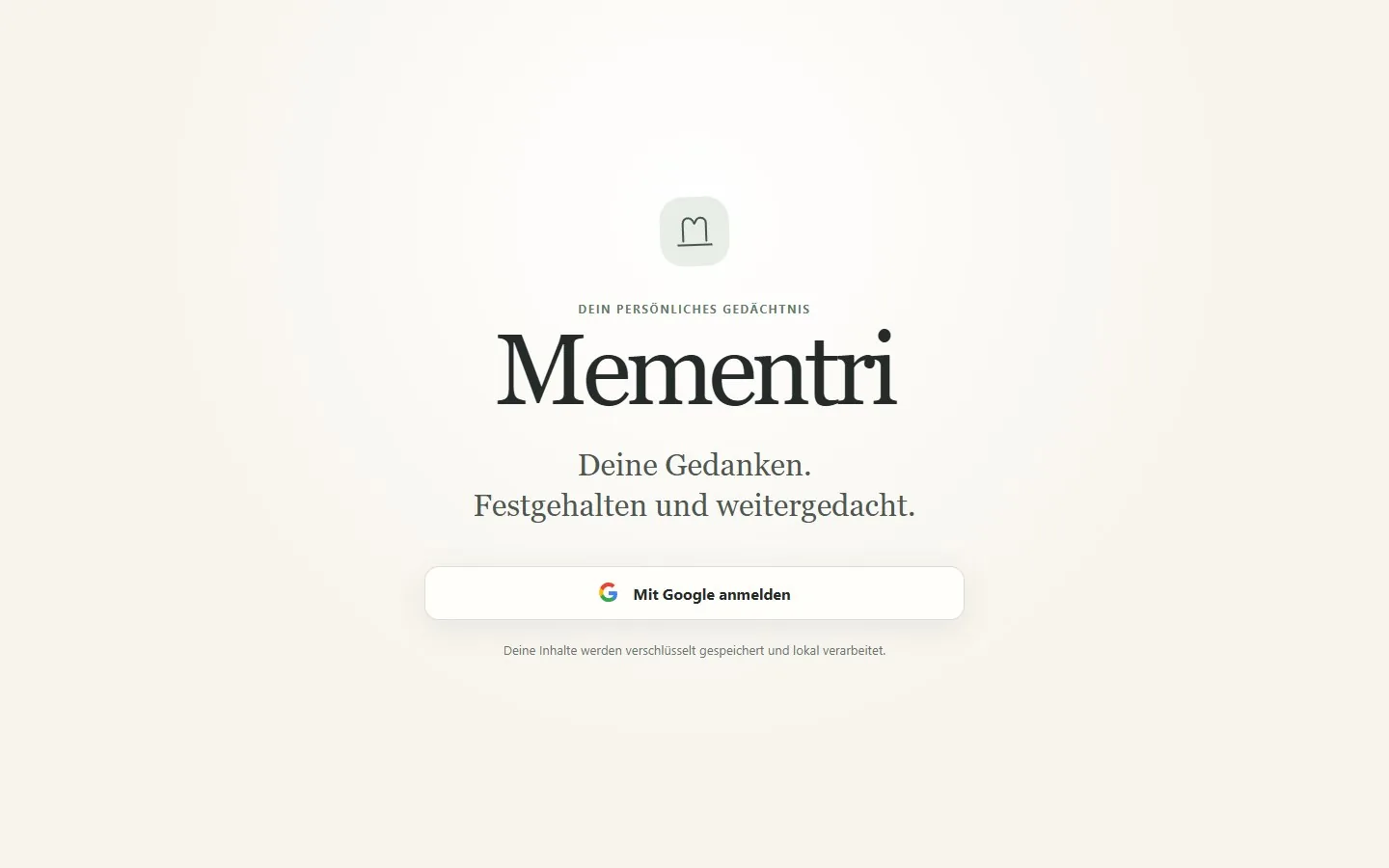
Personal AI · Speech-to-text
A personal AI memory that processes voice and text entries and connects tasks, ideas, projects and memories to their sources.
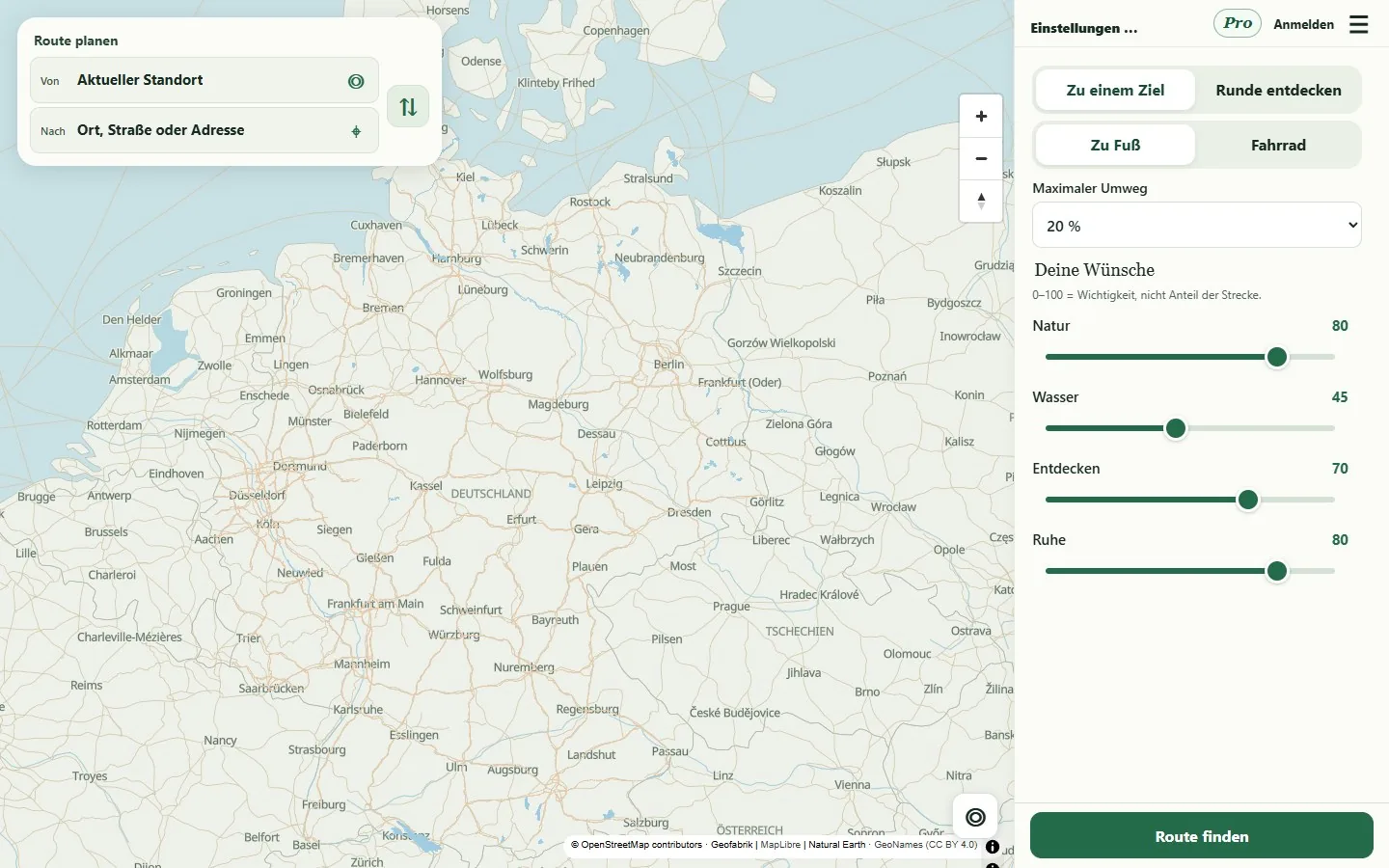
Geodata · Routing · Navigation
Personalised walking, hiking and cycling routes based on OpenStreetMap, custom scoring and individual preferences.

Text-to-speech · LLM translation
Editorially controlled multilingual website audio with translation, speech synthesis and synchronised playback.
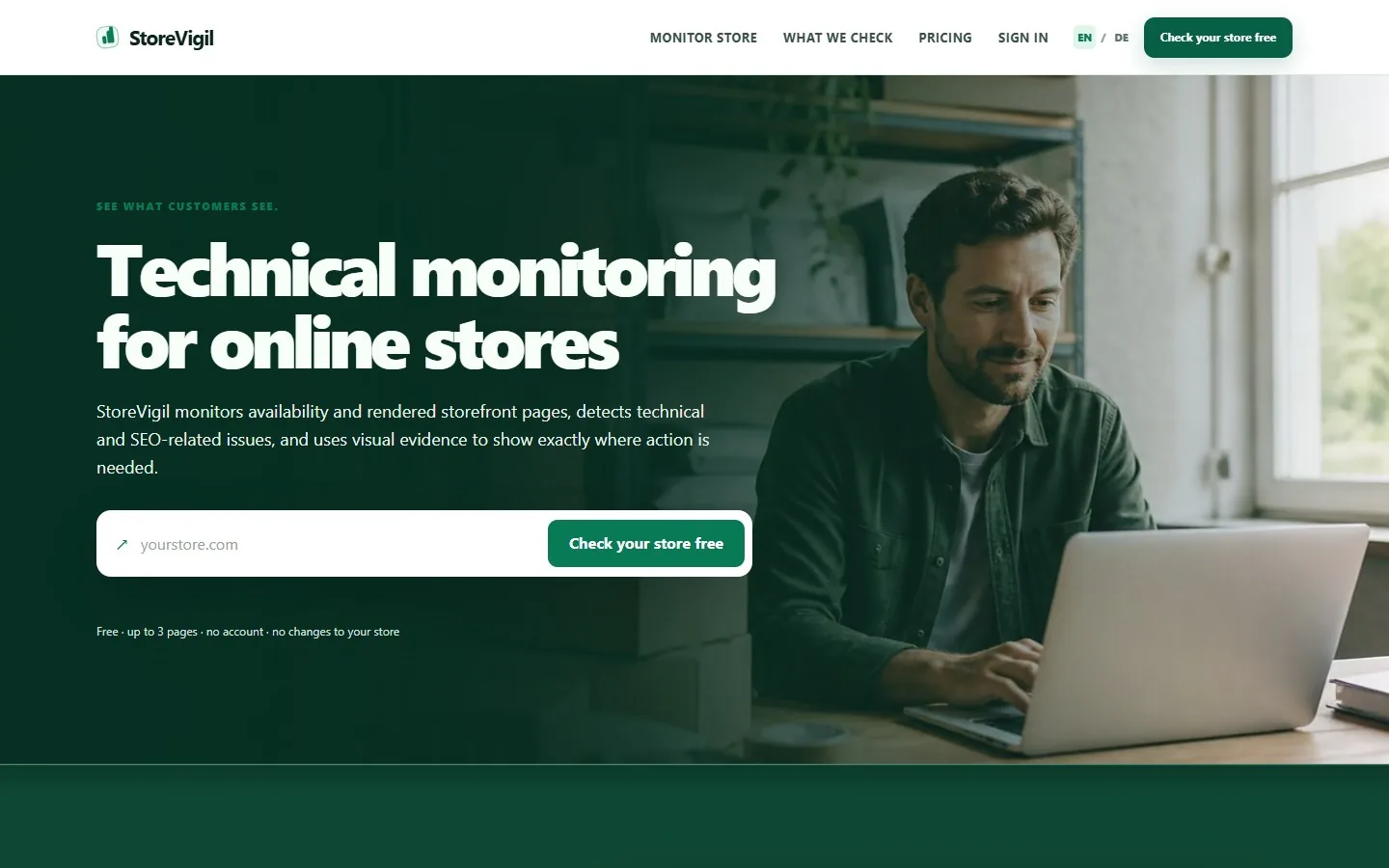
Browser automation · Monitoring
Browser-based monitoring for websites and stores with visual issue location, repeated checks and distributed workers.
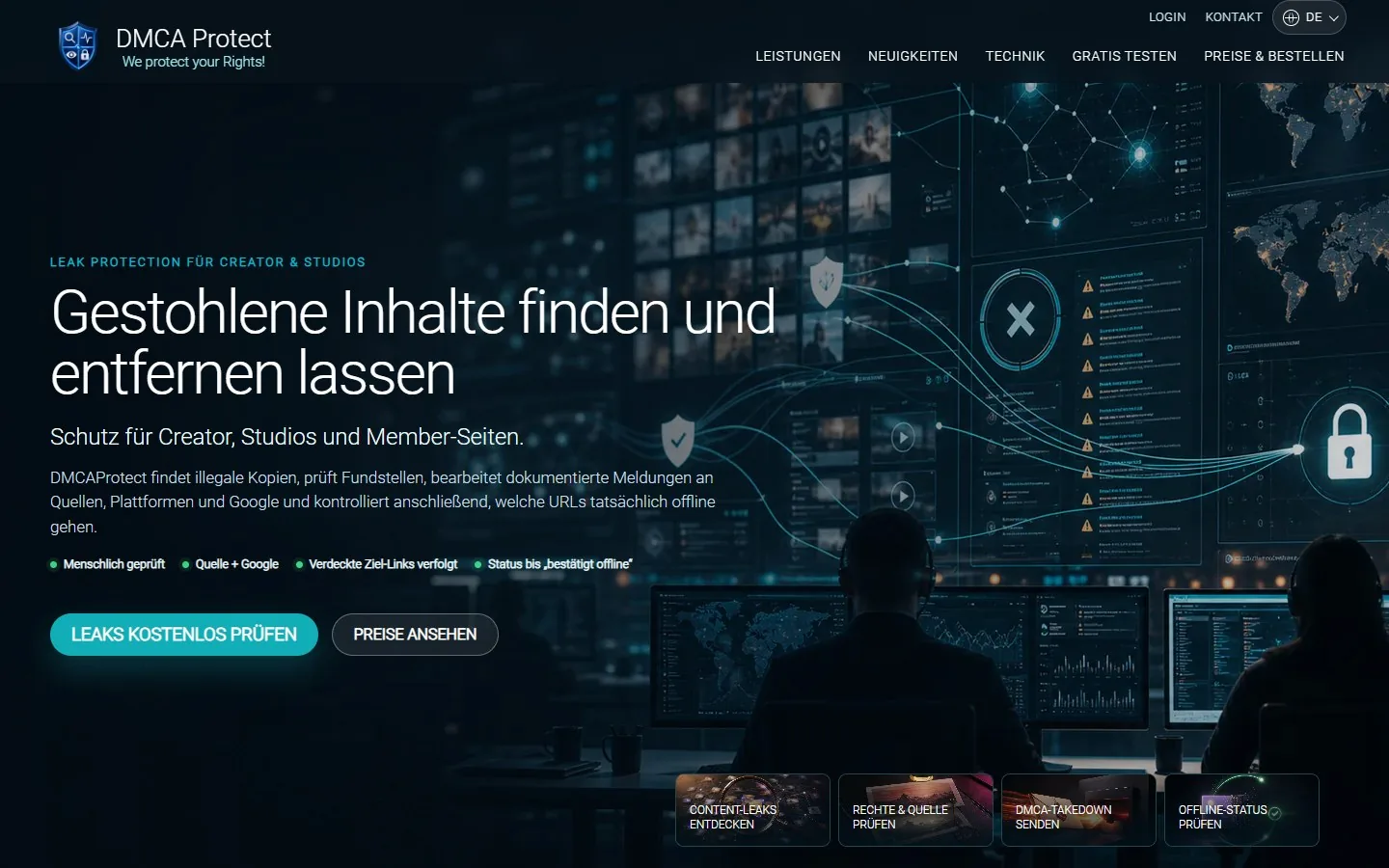
Content protection · Browser automation
Content-protection platform combining crawling, browser automation, image analysis, documented notices and later rechecks.

Music · Community · Events
Music, community and event platform with QR-linked albums, artist posts, tickets and payment workflows.
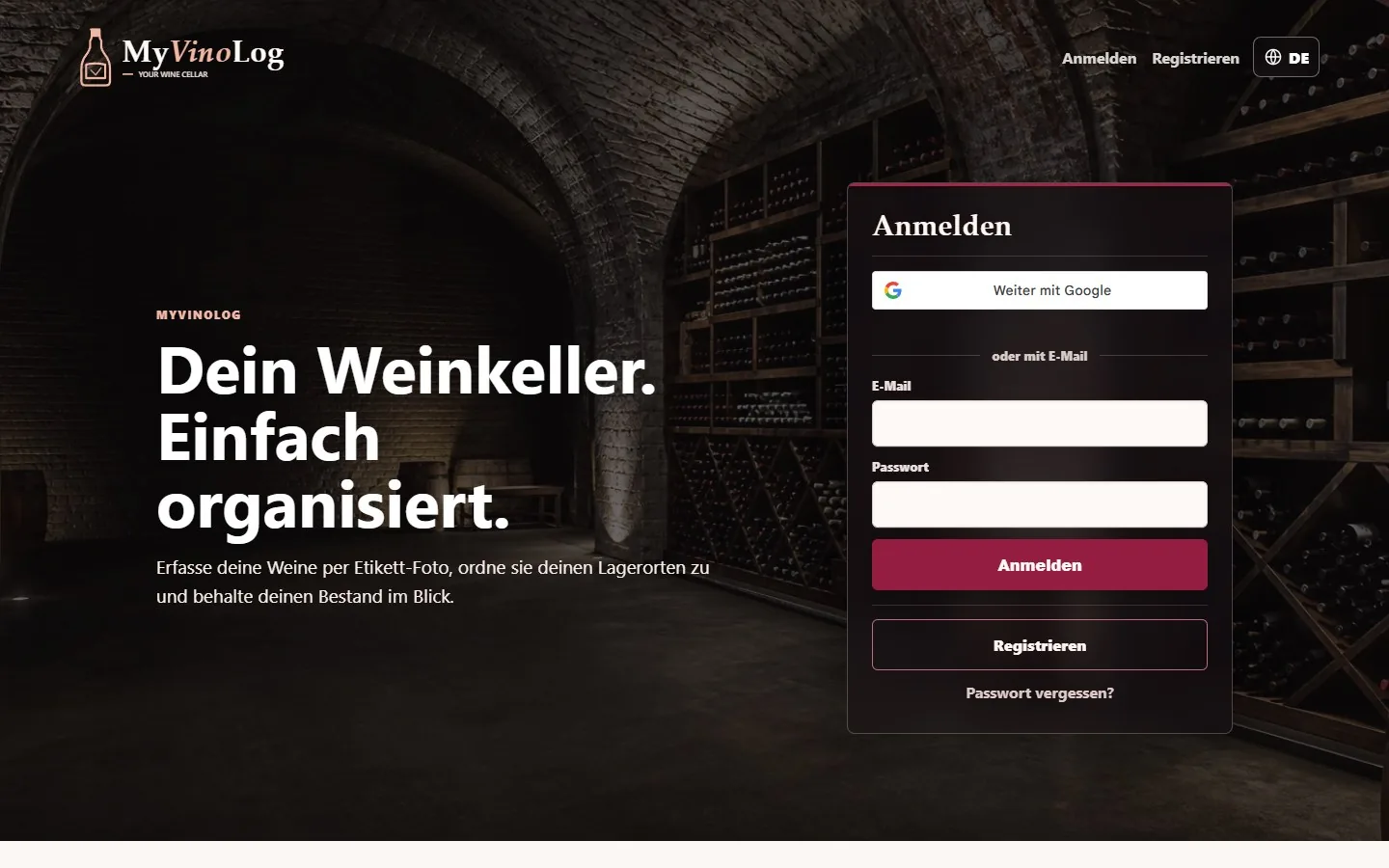
Wine inventory · AI image analysis
Digital wine inventory with AI-assisted label recognition, storage locations, stock management and mobile access.
Personal responsibility
ProWebSolutions is technically led by Norman Kaubisch. Architecture, development and central project coordination remain under direct responsibility.
Requirements, decisions and their impact on the application stay traceable. Responsibilities and any additional specialist work are agreed transparently for each engagement.
Technical leadership and working principlesTrust without theatre
Concrete project experience, direct communication and documented trade-offs create a dependable working basis.
Requirements and risks are not translated through several sales layers.
The production application and its dependencies determine the order of work.
An initial review provides priorities, not unsupported guarantees about an unknown system.
Deployment, observability and recovery paths are considered early.
Technical system review
Depending on access and scope, the review can cover architecture, codebase, PHP runtime, dependencies, database, logs, performance, deployment, backups, maintainability and visible security risks.
The result is not a generic quality badge. It is a prioritised technical assessment of immediate risks, missing information, useful first measures and realistic next steps. Scope, access and price are agreed before work begins.
Request a technical system reviewFAQ
No. The first task is to establish which parts work reliably, which risks threaten operations and where a change would create the most value. Incremental modernisation is often more controllable and economical than replacing everything at once.
Yes. The initial assessment covers source access, runtime, dependencies, database, deployment and available operational knowledge. Unknown risks are documented instead of hidden behind a general promise.
No. Leipzig is the company location and enables in-person meetings where useful. Assessment, development and ongoing collaboration can also be organised remotely.
The type of system, current problem, business impact and desired timeframe are enough for a first conversation. Credentials and confidential technical data should not be sent through the standard contact form.
The agreed scope produces a prioritised view of risks, missing information and next steps. It is neither a full security audit nor a guarantee that every dependency can be found without adequate access.
Describe the current situation. The first step is to identify which information is still needed for a useful technical assessment.